Interactive Science
Follow the link to some pictures of the Magna Science Centre - it’s on my old legacy site, but you’ll get a flavour of the STE(A)M ambition of the project. We won the Stirling Prize for the building, beating the Eden Project that year. Which was cool.
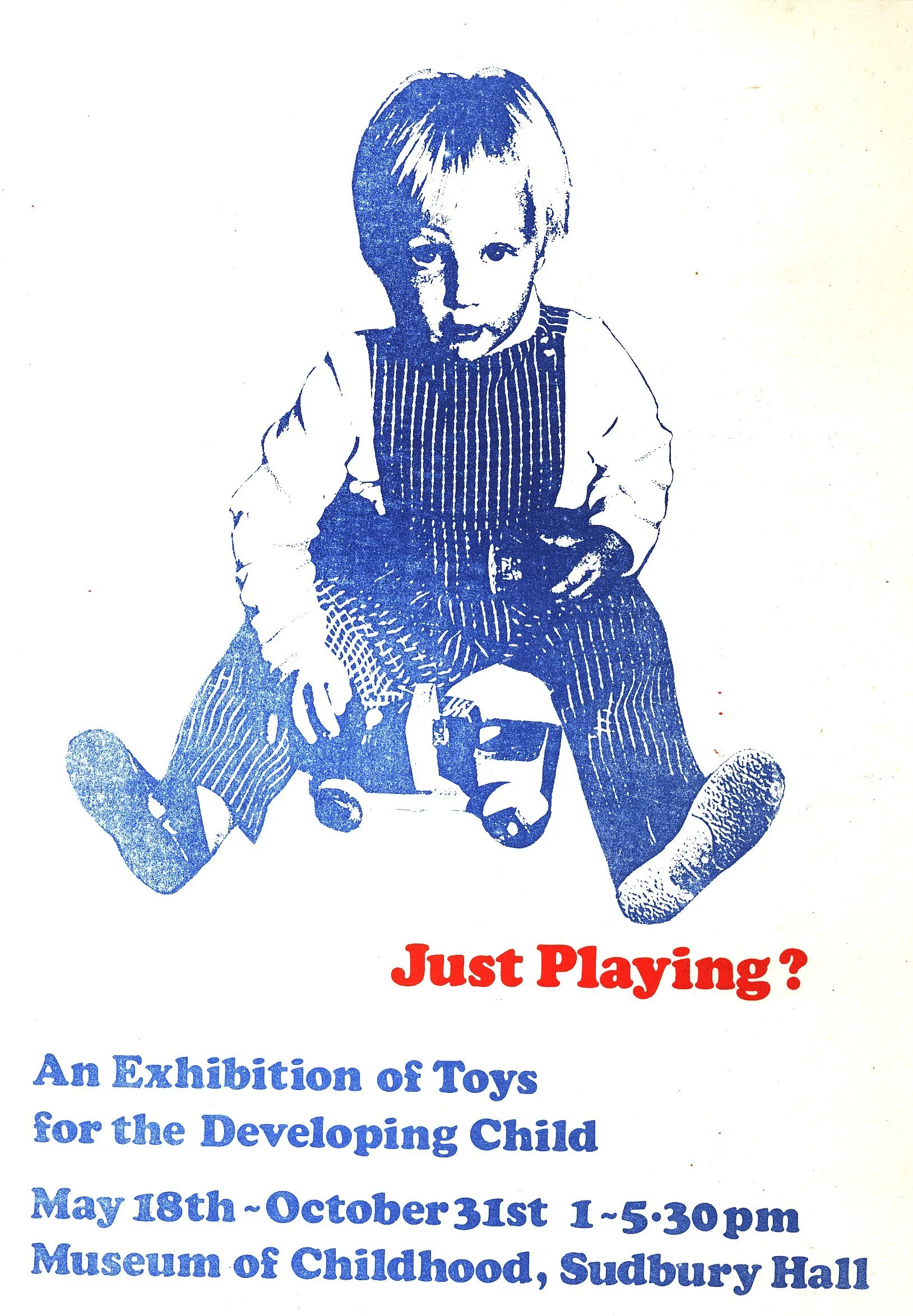
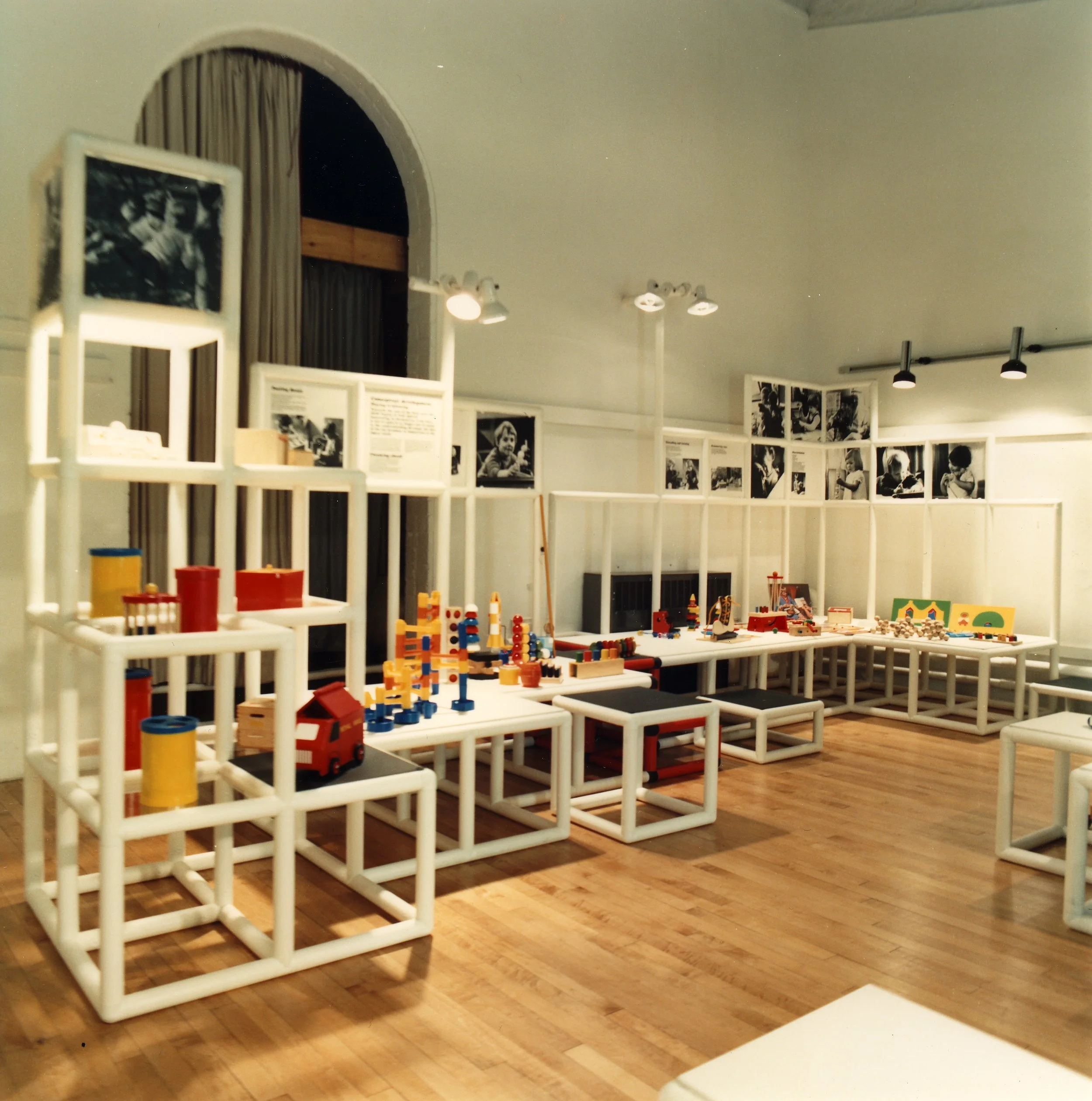
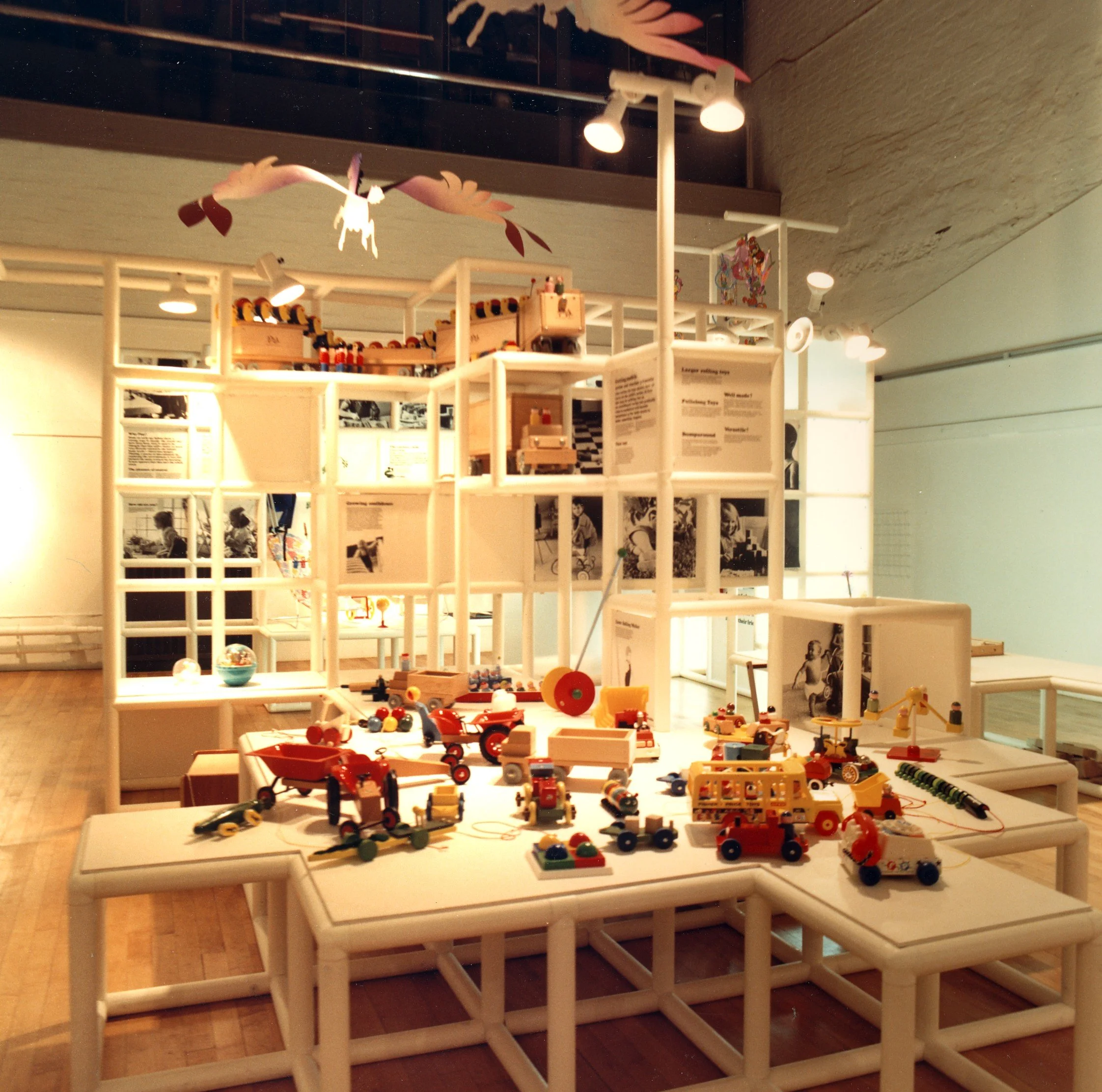
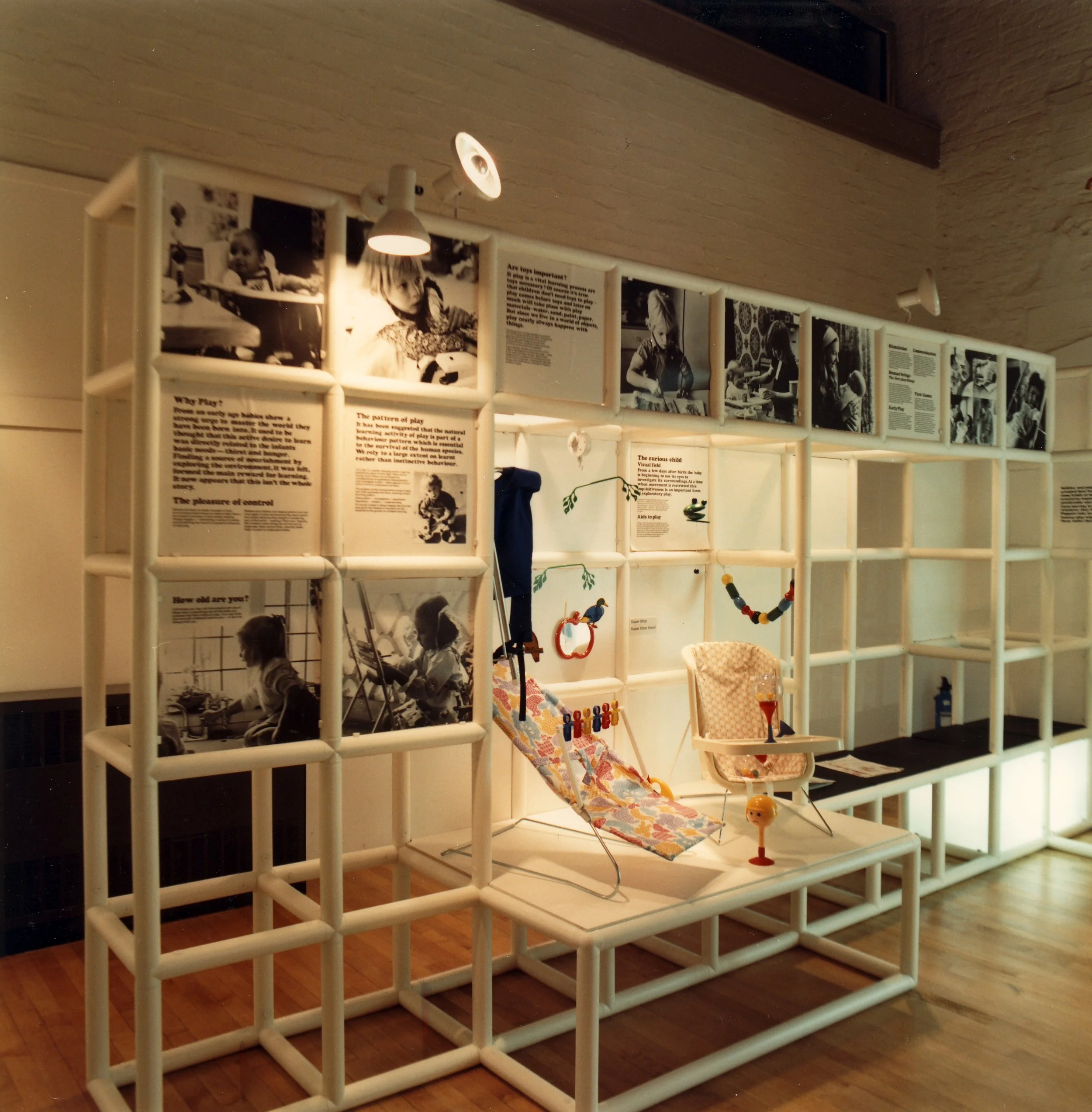
My thinking about exhibitions, interactive learning and play began in the 1980s when I ran the then Museum of Childhood at Sudbury Hall in Derbyshire. Now rebadged and developed by the National Trust as the children’s country house. This is 1982. The original father and mother of this approach are the Exploratorium in San Francisco and the Boston Children’s Museum. The key figures being Frank Oppenheimer, Robert’s brother, on the West Coast, and Michael Spock, Benjamin Spock’s son, on the East Coast. I was told by some ‘establishment’ myopics in the UK “Oh, those are American children, English children won’t play like that”, with reference to interactive play environments. They are facilitating spaces with, borrowing from physics, degrees of freedom - bounded but flexible. I made the structures from a child's play equipment system called Quadro. 60,000 visitors. 600 ‘educational’ toys. A useful beginning. One Fisher-Price figure went missing in 6 months of operation. I learned a lot from watching mothers and children playing and interacting.